
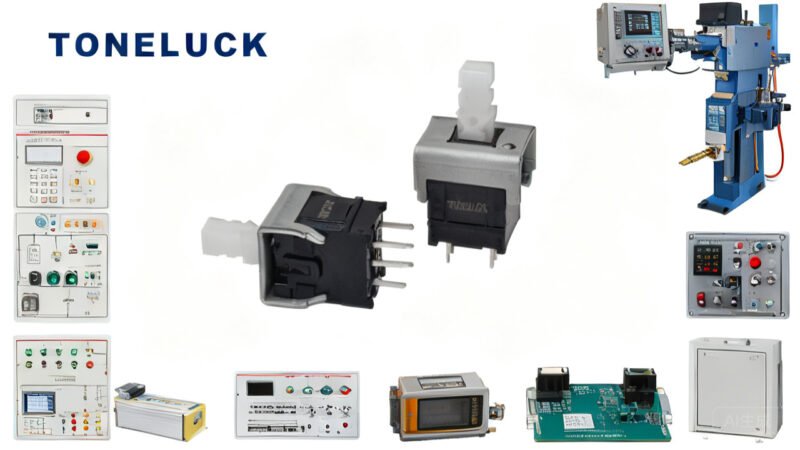
In the intricate machinery of modern industry, where precision, reliability, and safety are paramount, certain components work tirelessly behind the scenes, ensuring seamless operation. Among these critical elements, the micro switch stands out. Often compact and unassuming, these devices are the true workhorses, providing essential control and feedback across a vast spectrum of B2B applications, from factory automation to medical equipment and beyond. Understanding their functionality, variations, and the importance of selecting a quality micro switch manufacturer is crucial for any business aiming for operational excellence.
What is a Micro Switch? The Heart of Snap Action Control
At its core, a micro switch is a small, snap-action switch, designed to actuate with minimal force and produce a rapid, decisive change in electrical contact. This ‘snap-action’ mechanism is key to its reliability and longevity, ensuring that the contacts open or close quickly, regardless of the speed of the actuator. This rapid transition minimizes arcing, reduces wear on contacts, and provides highly repeatable performance. Typically, a micro switch comprises a spring-loaded lever or plunger, a set of contacts (normally open, normally closed, or changeover), and a robust housing. Their design prioritizes consistent performance over millions of cycles, making them indispensable in applications where precise detection and reliable control are non-negotiable.
Key Attributes Driving Industrial Adoption
The widespread adoption of micro switches in industrial and commercial settings is driven by several inherent advantages:
- Exceptional Repeatability: micro switches offer extremely high positional accuracy, making them ideal for applications requiring precise detection of position, limit, or presence.
- Durability and Longevity: Engineered for millions of operational cycles, these switches are built to withstand demanding industrial environments, contributing to extended equipment lifespan and reduced maintenance.
- Compact Design: Their small footprint allows for integration into tight spaces, enabling designers to create more compact and efficient systems.
- Versatility: Available in a multitude of actuator styles (pin plunger, lever, roller lever) and electrical ratings, they can be customized to suit specific application requirements.
- Environmental Resilience: With options like the waterproof micro switch, these components can operate reliably in harsh conditions, including exposure to dust, moisture, and extreme temperatures, safeguarding critical operations.
Diverse Types for Diverse Needs: From Standard to Specialized
The micro switch family is broad, offering specialized solutions for various industrial challenges. Standard micro switches form the foundation, but innovation has led to highly specialized variants:
- Waterproof Micro Switches: Crucial for outdoor machinery, food processing equipment, and marine applications, these switches feature sealed enclosures that protect internal components from liquids and contaminants, ensuring uninterrupted performance in challenging environments.
- Limit Switches: Often considered a robust form of micro switch, a limit switch is specifically designed for industrial position sensing. They detect the presence or absence of an object, or the endpoint of travel for a moving part, triggering an action. They are fundamental to safety interlocks, conveyor systems, and automated machinery.
- Miniature and Subminiature Micro Switches: As technology advances, the demand for smaller components grows. Switches like the MQS-9A Mini Micro Switch exemplify this trend, offering full micro switch functionality in an incredibly compact package, perfect for high-density electronic assemblies and small-scale devices where space is at a premium.
Applications Across the Industrial Landscape
Micro switches are the silent enablers across countless sectors:
- Industrial Automation: In robotics, CNC machines, and conveyor systems, they serve as crucial feedback mechanisms for position sensing, safety interlocks, and sequence control.
- Automotive Industry: From detecting door closure and seatbelt engagement to controlling gear shifts and power windows, their reliability is paramount for vehicle safety and functionality.
- Home Appliances: Found in microwaves, washing machines, refrigerators, and dishwashers, they ensure safe operation and precise control.
- Medical Devices: In hospital beds, diagnostic equipment, and drug delivery systems, their accuracy and reliability are critical for patient safety and device performance.
- HVAC Systems: Monitoring damper positions, fan operation, and safety cut-offs.
Choosing the Right micro switch manufacturer: A Strategic Decision
The performance of your industrial systems is directly linked to the quality of their components. Therefore, selecting the right micro switch manufacturer is a strategic decision that goes beyond price. Key factors to consider include:
- Quality and Certifications: Look for manufacturers with robust quality control processes and international certifications (e.g., ISO 9001, UL, CE) to ensure consistent product reliability.
- Technical Expertise and Support: A reputable manufacturer should offer strong technical support, assisting with product selection, customization, and troubleshooting.
- Product Range and Customization: The ability to provide a wide array of standard products, alongside custom solutions tailored to unique specifications, is invaluable. For example, a manufacturer producing a diverse range of TONELUCK micro switch products demonstrates versatility and commitment to meeting varied client needs.
- Innovation: Partner with a manufacturer committed to research and development, offering cutting-edge solutions for emerging industrial challenges.
- Supply Chain Reliability: Ensure the manufacturer has a stable and efficient supply chain to prevent costly production delays.
The Future of Micro Switch Technology
As industries evolve, so too will micro switch technology. Trends point towards further miniaturization, enhanced environmental sealing for extreme conditions, integration with smart systems (IoT), and the development of even longer-life materials. These advancements will continue to solidify the micro switch’s position as an indispensable component in the drive towards smarter, more efficient, and safer industrial operations.
Conclusion
Micro switches, though small, play an outsized role in the reliability, safety, and efficiency of modern B2B applications. Their precision, durability, and adaptability make them foundational components in everything from complex industrial machinery to everyday appliances. By understanding their capabilities and making an informed choice when selecting a micro switch manufacturer, businesses can ensure their systems operate at peak performance, ready to meet the demands of an increasingly automated world.
