
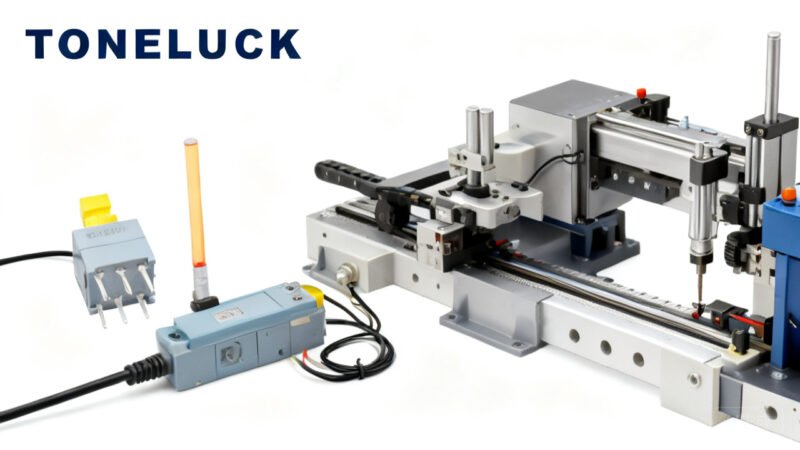
The Unseen Workhorse: Precision and Reliability with micro switches
In the intricate landscape of modern industrial automation and consumer electronics, some components operate silently, performing critical functions without drawing attention. Among these unsung heroes, the micro switch stands out. A seemingly simple device, its precision, durability, and reliability are foundational to the operation of countless systems, from the safety mechanisms in heavy machinery to the tactile feedback in everyday gadgets. Understanding the nuances of micro switches, their diverse applications, and the importance of selecting the right manufacturer is crucial for engineers and procurement professionals alike.
Understanding the Core: What is a Micro Switch?
At its heart, a micro switch is a snap-action electrical switch, meaning it employs a specific internal mechanism to achieve a rapid and decisive change in contact state, regardless of the speed of actuation. This ‘snap-action’ mechanism provides several key advantages:
- High Repeatability: The switch consistently actuates at the same point, ensuring precise control.
- Long Mechanical Life: The rapid make-and-break action minimizes arcing, extending the lifespan of the contacts.
- Compact Size: Micro switches are inherently small, allowing integration into tight spaces.
- Defined Operating Point: Clear tactile and audible feedback upon actuation.
These characteristics make micro switches indispensable for applications requiring precise position sensing, detection of limits, and reliable on/off control with minimal hysteresis.
Diverse Applications Across Industrial and Commercial Sectors
The versatility of the micro switch allows it to permeate almost every sector of modern industry:
- Industrial Automation: Here, the micro switch often takes the form of a limit switch. These robust devices are essential for detecting the presence or absence of an object, monitoring the position of moving parts, and ensuring safety interlocks in machinery, conveyor systems, and robotics. They provide critical feedback for automated processes, preventing over-travel and ensuring sequential operations.
- Automotive Industry: From door latches and gear shift mechanisms to seat belt sensors and accelerator pedal position detectors, micro switches contribute to vehicle safety and operational efficiency.
- Home Appliances: Microwaves, washing machines, refrigerators, and dishwashers all rely on micro switches for door interlocks, water level detection, and control panel functions.
- Medical Devices: Precision is paramount in medical equipment. Micro switches are found in diagnostic machines, patient beds, and drug delivery systems, where reliability is a matter of life and death.
- Aerospace and Defense: Control panels, landing gear systems, and cabin pressure sensors utilize micro switches for their proven reliability in extreme conditions.
Specialized Solutions: Waterproof and Miniature Micro Switches
While standard micro switches cover a broad range of needs, specific environments and design constraints necessitate specialized variants:
- Waterproof Micro Switches: For applications exposed to moisture, dust, oil, or corrosive chemicals, a waterproof micro switch is non-negotiable. These switches are typically sealed to achieve high Ingress Protection (IP) ratings, such as IP67, ensuring their operational integrity even when submerged or subjected to high-pressure jets. Industries like marine, outdoor equipment, and food processing heavily rely on these robust components to prevent failures caused by environmental ingress.
- Miniature and Subminiature Micro Switches: The relentless drive towards miniaturization in electronics and compact product design demands smaller components. Miniature and subminiature micro switches offer the same precision and reliability in significantly reduced footprints. For instance, the MQS-9A Mini Micro Switch exemplifies how high performance can be achieved within extremely confined spaces, enabling designers to create more compact, lighter, and aesthetically pleasing products without compromising functionality.
The Critical Role of the micro switch manufacturer
Selecting the right micro switch manufacturer is as important as choosing the right switch itself. A reputable manufacturer brings more than just products to the table; they offer expertise, quality assurance, and support that can significantly impact project success and product longevity.
- Reliability and Durability: The cost of component failure, especially in industrial settings, can be immense. A leading manufacturer invests heavily in robust design, high-quality materials, and rigorous testing to ensure their switches withstand millions of cycles and perform reliably under specified conditions.
- Customization and Innovation: Not all applications are standard. A strong manufacturer offers customization options for actuator types, operating forces, electrical ratings, and mounting configurations. They also continuously innovate, developing new materials and designs to meet evolving industry demands, such as enhanced environmental resistance or smart integration capabilities.
- Compliance and Certifications: Adherence to international standards (e.g., UL, cUL, ENEC, CQC) is crucial for global market acceptance and safety. A trusted manufacturer ensures their products meet these stringent requirements.
- Technical Support: Access to expert technical support can be invaluable during design and implementation phases, helping to optimize switch selection and integration.
When evaluating a micro switch manufacturer, consider their track record, innovation, and product range. For example, manufacturers producing TONELUCK micro switch products are known for their commitment to quality and precision, offering a diverse portfolio that includes everything from standard snap-action switches to specialized waterproof and miniature variants.
Key Selection Criteria for Micro Switches
To ensure optimal performance and longevity, several factors must be considered when selecting a micro switch:
- Electrical Ratings: Match the switch’s voltage and current ratings to the circuit requirements, considering both resistive and inductive loads.
- Mechanical and Electrical Life: Specify switches that can endure the expected number of operating cycles over the product’s lifespan.
- Operating Force: The force required to actuate the switch must align with the application’s mechanical design.
- Actuator Type: Choose from plungers, levers, roller levers, or other specialized actuators based on the mechanism the switch will interface with.
- Environmental Conditions: Account for temperature range, humidity, vibration, shock, and the required IP rating for ingress protection.
- Contact Material: Silver alloy contacts are common for general use, while gold plating is preferred for very low current applications to ensure reliable contact.
The Future of Micro Switches
The evolution of micro switches continues, driven by demands for greater miniaturization, enhanced durability, and smarter integration. Expect to see further advancements in:
- Smart Integration: As IoT and Industry 4.0 proliferate, micro switches may incorporate more intelligent features, providing diagnostic data and predictive maintenance capabilities.
- Advanced Materials: Development of new materials will lead to even greater resistance to extreme temperatures, chemicals, and mechanical stress.
- Energy Efficiency: Designs that minimize power consumption will become increasingly important.
Conclusion
Micro switches, in all their forms—from the robust limit switch used in heavy industry to the compact MQS-9A Mini Micro Switch in consumer devices, and the resilient waterproof micro switch in harsh environments—are fundamental to modern technological infrastructure. Their unassuming presence belies their critical role in ensuring precision, safety, and reliability across countless applications. Partnering with a knowledgeable and quality-focused micro switch manufacturer is not merely a procurement decision but a strategic investment in the performance and longevity of your products and systems. By understanding their capabilities and selecting wisely, industries can continue to push the boundaries of innovation and efficiency.
