
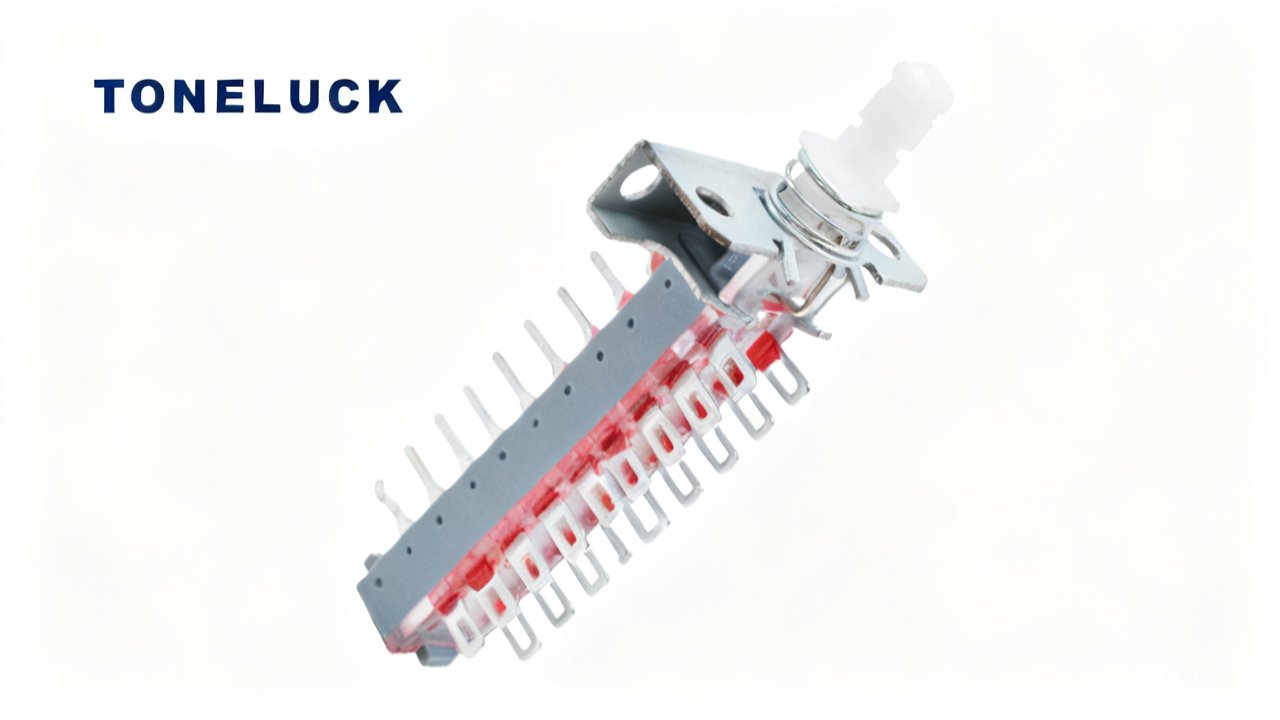
Precision, Durability, and Reliability: Unpacking the Critical Role of micro switches in Modern Industry
In the intricate world of industrial automation and electronic design, countless components work silently to ensure the seamless operation of machinery and devices. Among these unsung heroes, the micro switch stands out as a fundamental yet incredibly versatile component. Often overlooked, its precise snap-action mechanism is critical for safety, control, and efficiency across a vast spectrum of applications, from heavy industrial machinery to delicate consumer electronics. For businesses striving for operational excellence and product reliability, understanding the nuances of these compact powerhouses and partnering with a reputable micro switch manufacturer is paramount. This article delves into the world of micro switches, exploring their function, applications, specialized variants like the waterproof micro switch, and the importance of selecting the right component for your specific needs.
What is a Micro Switch?
At its core, a micro switch, also known as a miniature snap-action switch, is an electrical switch that is actuated by very little physical force, through the use of a tipping point mechanism, sometimes called an “over-center” mechanism. This design results in a rapid, decisive transfer of contacts from one position to another once the operating point is reached, regardless of the speed of actuation. This “snap-action” characteristic is crucial for preventing arcing and ensuring consistent, repeatable operation over millions of cycles. Typically, a micro switch features a small actuator button or lever that, when pressed, triggers the internal mechanism, making or breaking an electrical circuit. Their compact size, high precision, and robust construction make them indispensable in applications where space is limited and reliability is non-negotiable.
The Versatility of Micro Switches Across Industries
The applications of micro switches are incredibly diverse, spanning nearly every sector imaginable. Their ability to provide precise feedback and control makes them essential in a multitude of scenarios:
- Automotive: Used in door interlocks, seatbelt detection, gear shift position sensing, and power window controls.
- Industrial Automation: Critical for sensing positions of moving parts, safety interlocks on machinery, conveyor system controls, and emergency stop buttons.
- Home Appliances: Found in washing machines, microwave ovens, refrigerators (e.g., door sensors), and HVAC systems.
- Medical Devices: Utilized in patient monitoring equipment, infusion pumps, and diagnostic tools where accuracy and reliability are life-critical.
- Consumer Electronics: Integrated into printers, vending machines, gaming devices, and security systems.
This wide adoption underscores their adaptability and the trust engineers place in their consistent performance.
Micro Switches and Limit Switches: Understanding the Relationship
While often used interchangeably in common parlance, it’s important to clarify the relationship between a micro switch and a limit switch. Essentially, a limit switch is an electromechanical device that comprises an actuator mechanically linked to a set of contacts. When an object comes into contact with the actuator, it operates the contacts to make or break an electrical connection. Many industrial-grade limit switches are built around one or more internal micro switch mechanisms, often enclosed in a robust, sealed housing designed for harsh industrial environments. Therefore, a micro switch can be considered the fundamental component within many limit switch assemblies. Limit switches are specifically named for their role in defining the “limits” of travel or presence of an object, making them vital for controlling machinery movement, ensuring safety, and automating processes in manufacturing and material handling.
Key Features and Selection Considerations for Optimal Performance
Choosing the right micro switch involves evaluating several critical parameters to ensure it meets the specific demands of your application:
- Electrical Ratings: This includes voltage (AC/DC) and current (amperage) ratings. It’s crucial to select a switch that can safely handle the electrical load of the circuit it controls.
- Operating Force: The amount of force required to actuate the switch. This can vary significantly, from very light touch switches for sensitive applications to heavier forces for more robust industrial use.
- Actuator Type: Micro switches come with various actuator styles, including pin plungers, roller plungers, lever arms (straight, simulated roller, hinged), and leaf actuators. The choice depends on the mechanical interface with the object being sensed.
- Mounting Configuration: Different mounting options (panel mount, PCB mount, chassis mount) dictate how the switch integrates into your product or system.
- Operating Temperature Range: Ensure the switch can perform reliably within the expected environmental temperatures of your application.
- Mechanical and Electrical Life: The number of cycles the switch can withstand before failure. High-quality switches are designed for millions of operations, crucial for long-term reliability.
- Environmental Protection: For challenging conditions, features like dust-proofing or waterproofing are essential.
The Indispensable Role of a Reputable micro switch manufacturer
The performance and longevity of your products often hinge on the quality of their smallest components. This makes the selection of your micro switch manufacturer a strategic decision. A leading manufacturer brings several advantages:
- Consistent Quality: Adherence to stringent manufacturing processes and quality control standards ensures every switch performs as expected.
- Reliability & Durability: High-quality materials and precision engineering lead to switches with extended mechanical and electrical lifespans.
- Innovation & Customization: The ability to develop specialized switches for unique application requirements, or to offer a wide range of standard options.
- Technical Support: Expert guidance in selecting the right switch and troubleshooting potential issues.
- Certifications: Compliance with international standards (e.g., UL, cUL, ENEC, CQC) is crucial for global market access and safety.
Brands like TONELUCK micro switch, for example, have built a reputation on delivering high-performance, reliable switching solutions that meet the rigorous demands of various industries. Their commitment to precision engineering and quality assurance ensures that their components contribute significantly to the overall reliability and safety of the end product.
Specialized Micro Switches for Demanding Environments: The Waterproof Advantage
Not all operating environments are benign. In applications exposed to liquids, dust, or extreme humidity, standard micro switches simply won’t suffice. This is where the waterproof micro switch becomes indispensable. Engineered with specialized sealing techniques—such as epoxy potting, O-rings, and sealed housings—these switches achieve high Ingress Protection (IP) ratings (e.g., IP67, IP68), signifying their ability to resist dust and water ingress. This makes them ideal for:
- Outdoor equipment and machinery.
- Automotive under-hood applications.
- Marine and aerospace systems.
- Food processing equipment (requiring wash-downs).
- Medical devices subjected to sterilization processes.
Investing in waterproof variants prevents costly failures, reduces maintenance, and extends the operational life of equipment in challenging conditions.
The Power of Miniaturization: Introducing the MQS-9A Mini Micro Switch
As electronic devices become increasingly compact and complex, the demand for smaller, yet equally robust, components grows. Miniaturized micro switches are at the forefront of this trend. An excellent example is the MQS-9A Mini Micro Switch. This type of compact switch offers the same reliable snap-action mechanism in a significantly reduced footprint. The MQS-9A, or similar mini micro switches, are specifically designed for applications where space is at a premium but precision and durability cannot be compromised. Their small form factor makes them perfect for integration into:
- Compact consumer electronics.
- Portable medical devices.
- Automotive interior controls.
- Miniature industrial sensors.
Despite their size, these mini switches maintain high electrical ratings and mechanical lifespans, proving that small components can indeed deliver big performance.
Conclusion
Micro switches, in their various forms—from standard snap-action units to robust limit switches, specialized waterproof versions, and compact mini designs like the MQS-9A—are foundational elements in ensuring the functionality, safety, and reliability of countless systems worldwide. Their unassuming presence precludes their critical role in control, sensing, and interlock applications. For businesses, selecting the appropriate micro switch and partnering with a trusted micro switch manufacturer like TONELUCK is not merely a procurement decision but a strategic investment in the long-term performance and reputation of their products. By prioritizing quality, understanding application-specific needs, and leveraging specialized solutions, companies can harness the full potential of these essential components to build more reliable, efficient, and innovative solutions for the future.
